

The Queensland Sexual Health Research Fund (SHRF) project has now concluded, after enabling innovative research across the state. Established in 2018, the Fund has supported research projects to improve the sexual and reproductive health of Queenslanders, with up to $1.4 million invested across 19 projects over the course of the program.
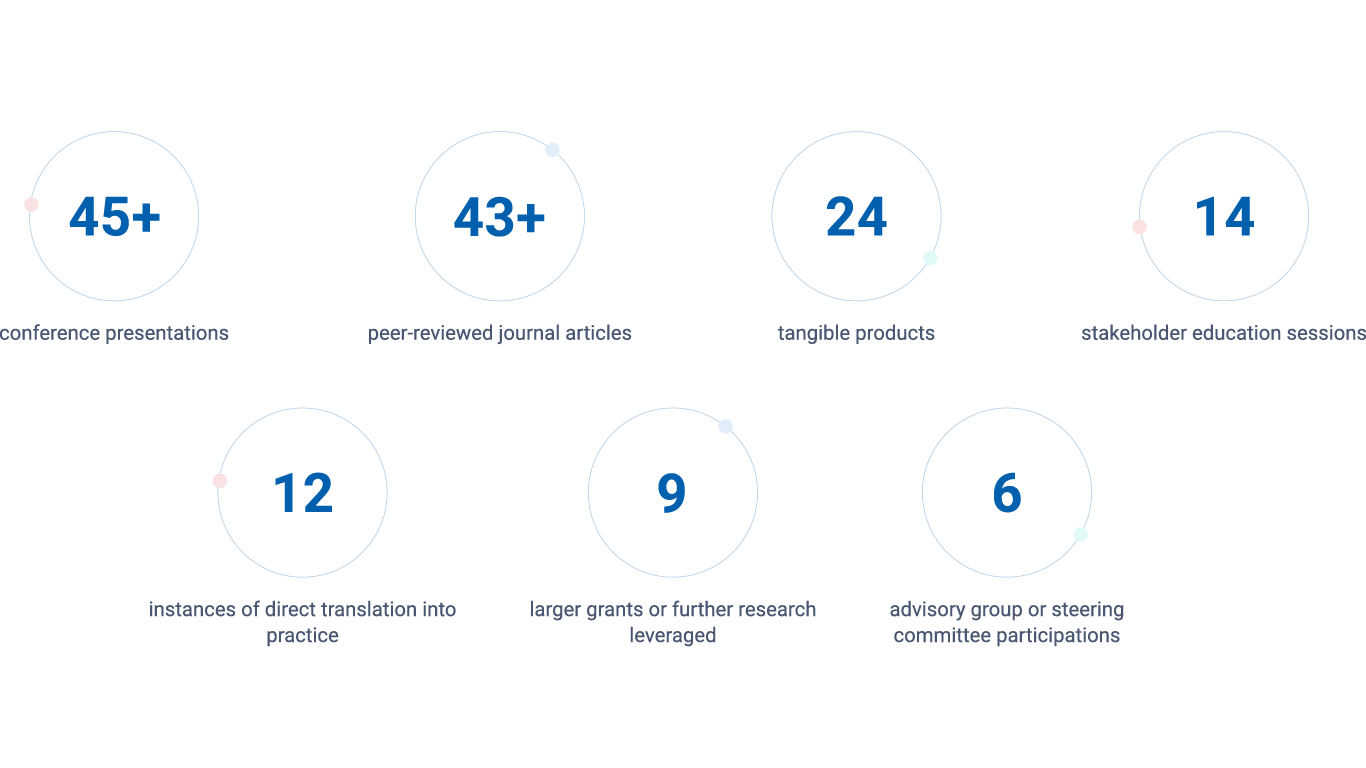
There were many highlights and success stories across the 19 projects funded, including an 18-month project led by Dr Judith Dean, titled HIV prevention knowledge, attitudes, and practices among young Queenslanders: Informing PrEP Access for ‘at risk’ youth.
This project, developed and delivered in partnership with Queensland Positive People, intended to identify and explore the knowledge, attitudes, and practices of Queenslanders aged 16-24 years, in relation to their knowledge, access, and usage of PrEP. Additionally, it also explored preferences for newly emerging PrEP delivery modalities, including long-acting injectables and implants, with a particular focus on those under the age of 18.
Results of this study are still in review, but early analysis identified six broad themes that influence PrEP access and uptake: HIV and PrEP awareness; concerns and experiences of side-effects; HIV risk perception; difficulties with healthcare systems; costs and healthcare providers; parental influence; and HIV and PrEP related stigma.
Researchers also identified three key areas to facilitate improved access to PrEP for young people: greater universal promotion of PrEP; education through school and the broader community; and improved access to healthcare and medications with strategies to address the barriers linked to cost.
Another notable project, led by Professor Amy Mullens in partnership with the Ethnic Communities Council of Queensland, was titled Increasing capacity and capability of GPs to provide hepatitis B testing and follow-up management for Chinese and Vietnamese community members.
This project was conducted over four years and aimed to assess current practices, clinical pathways, and resources available for hepatitis B testing and follow-up. Through the project, frameworks were developed for a culturally responsive pilot program to ensure that patients and doctors are aware of and uptake best practices for Chinese and Vietnamese community members with hepatitis B living in Queensland.
Following meetings with key stakeholders and community to identify key concerns, an intervention was developed and piloted at a site in Brisbane with the help of a nurse research champion, with the results indicating positive changes and engagement to hepatitis B testing and care amongst Australian Chinese and Vietnamese communities.
These two examples offer just a glimpse into the wide-ranging scope of projects that were a part of SHRF, with the exhaustive list of projects funded available here.
Many of the projects supported through the SHRF were showcased at the Sexual Health Research-Practice Exchange Forum convened by Queensland Health in late 2025. This forum focused on closing the research to translation cycle through integrating research findings from the SHRF into practical service and program deliverables. Service providers who partnered with the SHRF research recipients were invited via an expression of interest to submit a funding proposal, and two activities have been funded in 2026-27 as part of Queensland Health’s Evidence to Action project.
SHRF was administered by ASHM, and made possible thanks to the ongoing support of Queensland Health, who we extend our sincerest thanks. We also wish to recognise and thank all the researchers and project partners for their work and achievements over the course of SHRF.

